Blog · 2026-10-07
Which Home Improvements Actually Pay Off in Rhode Island
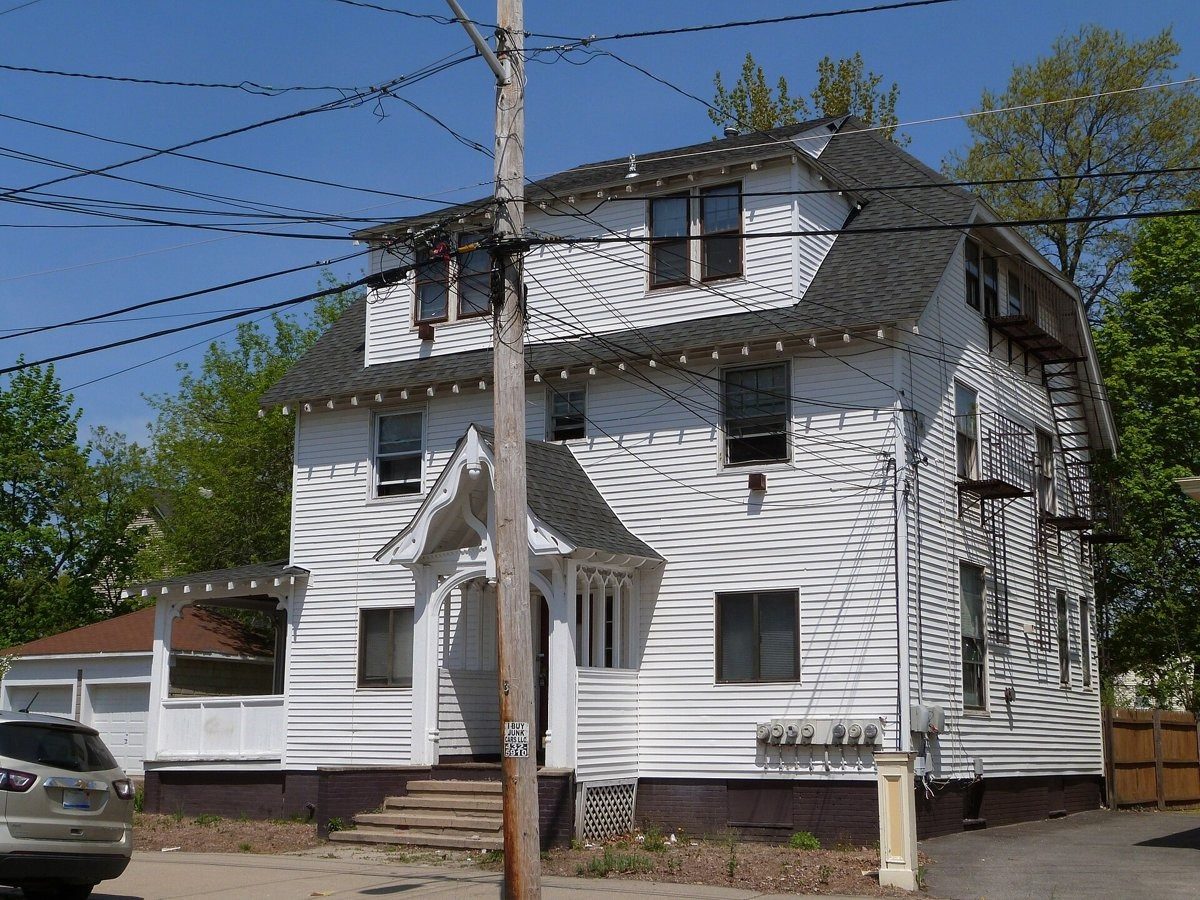
Homeowners ask me all the time which projects will raise their value. As a Rhode Island broker for 25 years and a certified real estate appraiser, I have two ways of answering: what buyers react to at showings, and what actually moves the number on an appraisal report. Those two do not always agree, and the gap between them is where people lose money. Here is how I sort improvements in this state, where so much of the housing stock is decades old.
Start With How Value Is Actually Measured
An appraiser does not add up your receipts. Value comes from comparable sales: what similar homes nearby sold for, adjusted for differences in size, condition and features. An improvement only pays off if it moves your house closer to the better-selling comps in your neighborhood. A $90,000 kitchen in a street of homes with original kitchens does not make yours a $90,000 more valuable house. It makes it the nicest house on the street, and buyers in that price range only stretch so far.
For context, the statewide median single-family sale price in June 2026 was $550,000, up 5.8% from a year earlier (State-Wide MLS via the Rhode Island Association of Realtors). Rising prices can make almost any project look smart on paper. The question is always whether a buyer will pay for it compared with the next house on the market.
Improvements That Usually Pay Off
- Fixing what an inspector will flag. Roof leaks, a failing boiler, old electrical, active water in the basement, rotted trim. These do not add value so much as stop value from being taken away. A bad inspection report turns into a repair credit that is almost always larger than the cost of doing the work yourself.
- Paint. Neutral interior paint is the cheapest way I know to make a house look cared for, and it photographs well.
- Floors. Many Rhode Island homes have hardwood under old carpet. Refinishing it is one of the best returns I see.
- Curb appeal. A fresh front door, trimmed shrubs, a repaired walkway and working exterior lights. Buyers decide a lot before they reach the front step.
- Kitchen and bath refreshes, not remodels. New hardware, lighting, faucets, counters or painted cabinets can change how a room feels for a fraction of a full gut.
The Rhode Island-Specific Items
Some projects matter more here because of what our housing stock looks like. If you heat with oil and have an old tank, especially a buried one, buyers and their insurers will ask about it. If the property is on a cesspool, state law generally requires replacement within a year of a sale, so a buyer will price that in either way. On a two- or three-family built before 1978, lead compliance for the rental units is a real issue for investor buyers. Handling these before listing removes a negotiating point and widens the pool of buyers who can close.
Improvements That Rarely Return Their Cost
- Luxury upgrades above the neighborhood. High-end appliances and custom finishes in a modest neighborhood rarely come back at sale.
- In-ground pools. Some buyers love them, many see maintenance and liability. In our short season they are a lifestyle choice, not an investment.
- Highly personal design. Bold tile, unusual layouts and themed rooms narrow your buyer pool.
- Unpermitted work. A finished basement or added bathroom without permits can create problems at appraisal and with the buyer's lender. Pull permits, or expect questions.
Projects That Depend on Your Town
Adding a bedroom or a second full bath can change your comparable set entirely, which is why it can pay off in one neighborhood and not in another. In parts of Providence, parking or a usable yard can matter more than another room. In much of Warwick, where many buyers are families comparing similar ranches, colonials and Cape Cods, a second bathroom or a finished lower level may be what separates your house from the competition. Before you spend, look at what the higher-priced sales near you have that your house does not.
Improving to Live There vs Improving to Sell
These are different decisions. If you plan to stay ten years, renovate the kitchen you want and enjoy it; part of the return is the years you get to use it. If you are selling in the next year or two, the math is stricter. A major project right before listing adds cost, delays your launch and often ends up in a style the next owner would have chosen differently. In that window I almost always recommend repairs, cleaning and cosmetic work, and leaving the big choices to the buyer.
Key Takeaways
- Value is set by comparable sales, not by what you spent.
- Repairs that prevent a bad inspection report are the safest money you can spend.
- Paint, refinished floors and curb appeal consistently outperform major remodels.
- Deal with oil tanks, cesspools and lead issues before they become negotiating points.
- Do not improve far beyond the neighborhood, and permit everything.
Compare your house with what is selling now in Providence homes for sale and Warwick homes for sale. Before you hire a contractor, visit our seller resources page or call me at 401-288-3600 and I will tell you which projects your comps support.