Blog · 2026-10-02
What Is My Rhode Island Home Worth? How To Read a CMA Like an Appraiser
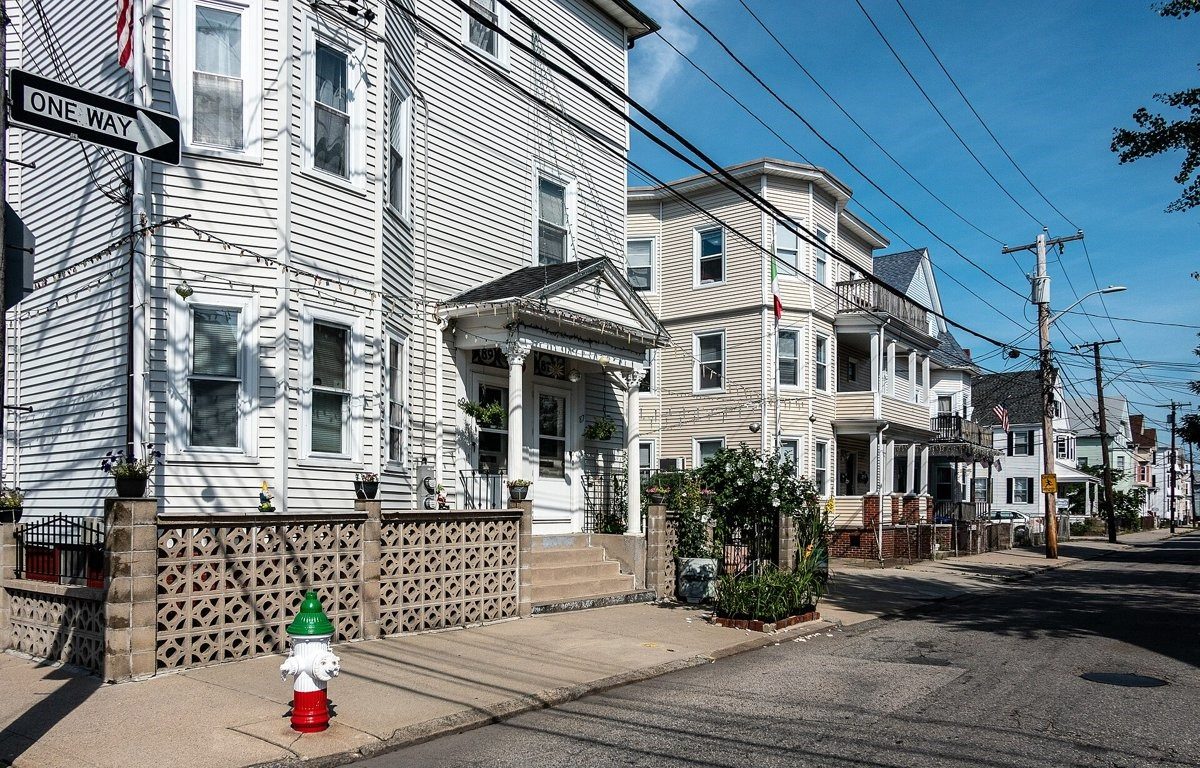
The most common question I get from homeowners is some version of "what is my house worth?" Usually they have already looked at an online estimate, a neighbor's sale, and a listing down the street that has been sitting for two months, and those three numbers do not agree. I have been a Rhode Island broker for 25 years and a certified real estate appraiser for most of that time, so let me show you how a professional actually reads a comparative market analysis, or CMA, and how you can tell a good one from a sales pitch.
A CMA Is an Argument, Not a Number
A CMA is a set of recent comparable sales, adjusted for differences, that supports a price range. The final number is only as good as the comps underneath it. If an agent hands you a single figure with no sold properties attached, you do not have a CMA. You have an opinion.
For context, the statewide median single-family sale price in Rhode Island was $550,000 in June 2026, up 5.8% from a year earlier on 879 sales, and the median home sold in 29 days (State-Wide MLS via the Rhode Island Association of Realtors). In Providence County the median was $500,000. Those figures tell you the market direction. They tell you nothing about your house. Only comps do that.
What Makes a Comp a Real Comp
When I select comparables, I am looking for homes a typical buyer would have considered instead of yours. In practice that means:
- Sold, not listed. Closed sales are facts. Active listings are hopes. Pending sales are useful but the price is not confirmed until closing.
- Recent. Ideally the last three to six months. In a rising market, a sale from a year ago understates value; in a cooling one, it overstates it.
- Close by, and the same kind of location. In Rhode Island, a few streets can change value. A house on a busy road in Warwick does not compare cleanly to one on a quiet cul-de-sac a half mile away, and a Federal Hill three-family is a different product from an East Side single-family even though both are in Providence.
- Same property type. Single-family against single-family, multi-family against multi-family, condo against condo in the same or a similar complex.
- Similar size, age and lot. Close enough that adjustments stay small.
How Adjustments Work
No two houses are identical, so each comp gets adjusted toward your home. If a comp has a second full bath and yours does not, its price comes down. If yours has a two-car garage and the comp has none, its price goes up. The direction always runs from the comp to the subject.
Here is where I see the most mistakes. Adjustments should reflect what buyers in that market actually pay for a feature, not what the feature cost to build. A $60,000 kitchen does not automatically add $60,000. A finished basement in an older Cranston colonial usually counts for less than above-grade living space. A pool can be neutral or even a negative depending on the buyer pool. If a CMA shows large adjustments on every comp, the comps were poorly chosen.
Condition Is the Adjustment Nobody Wants To Talk About
Much of Rhode Island's housing stock is old, and condition drives value more than square footage. A renovated house and a dated house on the same street can sell far apart. When I review a CMA, I want to know whether the agent actually looked at photos and disclosures for each comp. If the comps were all updated and yours still has the original roof, original windows and an oil boiler, the number needs to come down, and it is better to hear that from your agent than from the buyer's appraiser.
Read the Actives and the Expireds Too
A good CMA includes current competition and listings that failed to sell. Active listings show what buyers will compare you against next week. Expired and withdrawn listings show where the market said no. If three similar homes sat unsold at a certain price, that price is a ceiling, whatever anyone hopes.
Why the Appraisal Matters Before You List
Most buyers finance, and the lender will order an appraisal. If your contract price is not supported by sold comps, the appraisal can come in low, and you are back to renegotiating or watching the deal fall apart. Pricing from defensible comps from the start protects your sale. That is the main reason I price listings the way an appraiser would, not the way a seller hopes.
Key Takeaways
- A CMA without sold comps attached is an opinion, not an analysis.
- Good comps are recent, nearby, the same property type and similar in size and condition.
- Adjustments reflect what buyers pay for a feature, not what it cost.
- Condition is often the biggest adjustment in Rhode Island's older housing stock.
- Price to what will appraise, or expect a fight after the inspection.
To see what is selling near you, browse Providence homes for sale or Warwick homes for sale. When you want a real comp-based value for your own house, start with our seller resources page or call me directly at 401-288-3600.