Blog · 2026-09-28
What a Rhode Island Home Inspection Really Finds (Knob and Tube, Oil Tanks, Lead)
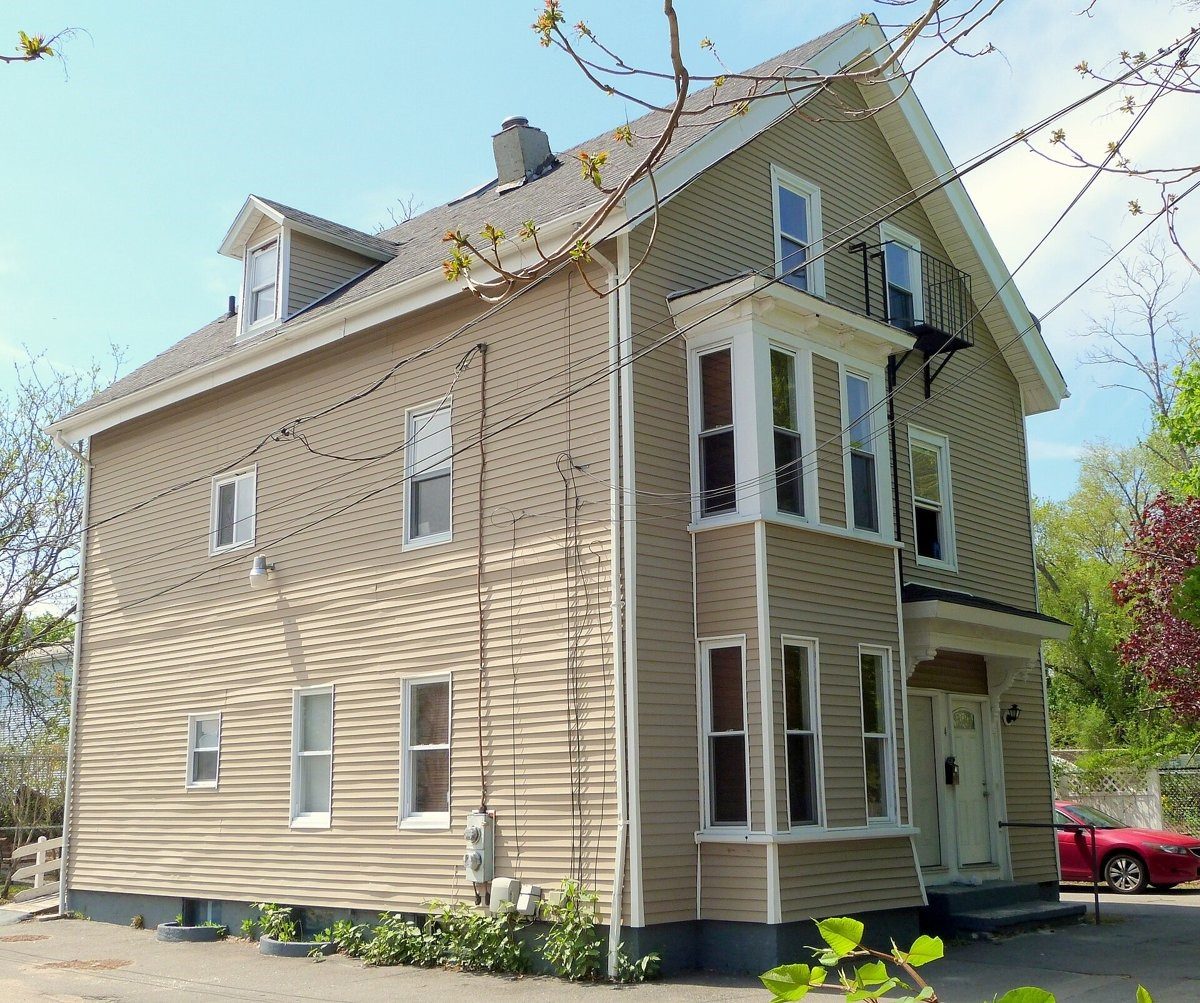
Rhode Island has some of the oldest housing in the country. Walk any street in Providence, Pawtucket, Woonsocket or Bristol and you are looking at houses that were wired, heated and painted long before anyone worried about asbestos or lead. That history is part of the charm, and it is also why a home inspection here tends to be longer and more eventful than it is in newer markets. After 25 years as a Rhode Island broker and certified real estate appraiser, I can tell you the same handful of issues come up again and again. Here is what inspectors actually find, and what it means for your offer.
Knob and tube wiring
Knob and tube is the original electrical system in many houses built before the 1940s: single copper conductors run on ceramic knobs through walls and attics, with no ground wire. It is common in the older neighborhoods of Providence, Cranston and Pawtucket, and it often survives in a third floor or attic even when the rest of the house was rewired.
The wiring itself is not automatically dangerous. The problems are age, brittle insulation, decades of amateur splices, and insulation blown in over it. The practical problem is insurance. Many carriers will not write a new policy on a house with active knob and tube, or will require an electrician's letter first. Get an insurance quote during your inspection period, not the week before closing.
Oil tanks, above and below ground
A large share of Rhode Island homes still heat with oil, and plenty that converted to gas left the old tank behind. A basement tank is easy to evaluate: look at its age, the legs, the fill and vent pipes, and any weeping at the bottom seams. A buried tank is the one that worries me. A fill pipe sticking out of the lawn or a vent pipe on the side of the house with no tank in the basement is a clue.
If there is any sign of an underground tank, ask the seller for removal paperwork. If there is none, hire a company to locate it and, if needed, test the soil before you close. Removing a tank that has not leaked is a manageable job. A leak that reached the soil is a different conversation, and it is far better to have that conversation as a buyer with a contingency than as an owner without one.
Lead paint in pre-1978 houses
Most of Rhode Island's housing was built before 1978, the year lead paint was banned for residential use. Federal law requires sellers of those homes to disclose known lead hazards and gives buyers a 10-day opportunity to conduct a lead inspection or risk assessment unless you waive it in writing. Do not waive it casually if you have young children.
If you are buying a two- or three-family to rent out, lead matters even more. Rhode Island has its own lead rules for rental property, and landlords carry real obligations. Budget for them before you commit to the purchase price, and ask for any existing lead certificates on the units.
Cesspools, septic and water
Outside the sewered cities, many homes are on private septic and wells. Rhode Island's cesspool law generally requires a cesspool to be replaced within a year after a property is sold, which can mean a new septic system on the buyer's bill. Ask early whether the house is on sewer, septic or a cesspool, and get a septic inspection by a licensed designer or inspector, not just a glance from the general home inspector. On a private well, test the water for bacteria and the usual contaminants.
Radon, asbestos and the rest of the list
Radon is present across parts of Rhode Island, and the only way to know about a specific house is to test it. It is inexpensive and fixable with a mitigation system. Older houses may also have asbestos pipe wrap or old tile, aging roofs, undersized electrical service, galvanized plumbing and wet basements. None of these should scare you off a house. They should be priced in.
How I use the inspection report
As an appraiser, I separate findings into three buckets. Safety and insurability items, like active knob and tube, a leaking tank or a failed septic, are worth negotiating hard. Big-ticket items near the end of their life, like a roof or boiler, are worth a credit if the price did not already reflect them. Cosmetic and maintenance items are part of owning an older home and usually not worth risking the deal over. Sellers respond better to a short, well-documented request than to a 40-item list.
If you are shopping older neighborhoods, start with current Providence homes for sale, where much of the pre-war housing stock sits, and compare them with the post-war capes and ranches among Warwick homes for sale.
Takeaways
- Expect a Rhode Island inspection on an older home to find something. That is normal.
- Get insurance quotes during the inspection period if there is any sign of knob and tube wiring.
- Treat any hint of a buried oil tank as a must-resolve item before closing.
- On pre-1978 houses, think carefully before waiving the lead inspection period, especially with children or a rental plan.
- Confirm sewer, septic or cesspool status early; a cesspool can mean a replacement after the sale.
- Negotiate safety and big-ticket items, not cosmetics.
Want help sorting a report into what matters and what does not? Browse our Rhode Island home search or call me at 401-288-3600.