Blog · 2026-09-25
Small Homes and Starter Homes in Rhode Island: How To Compete
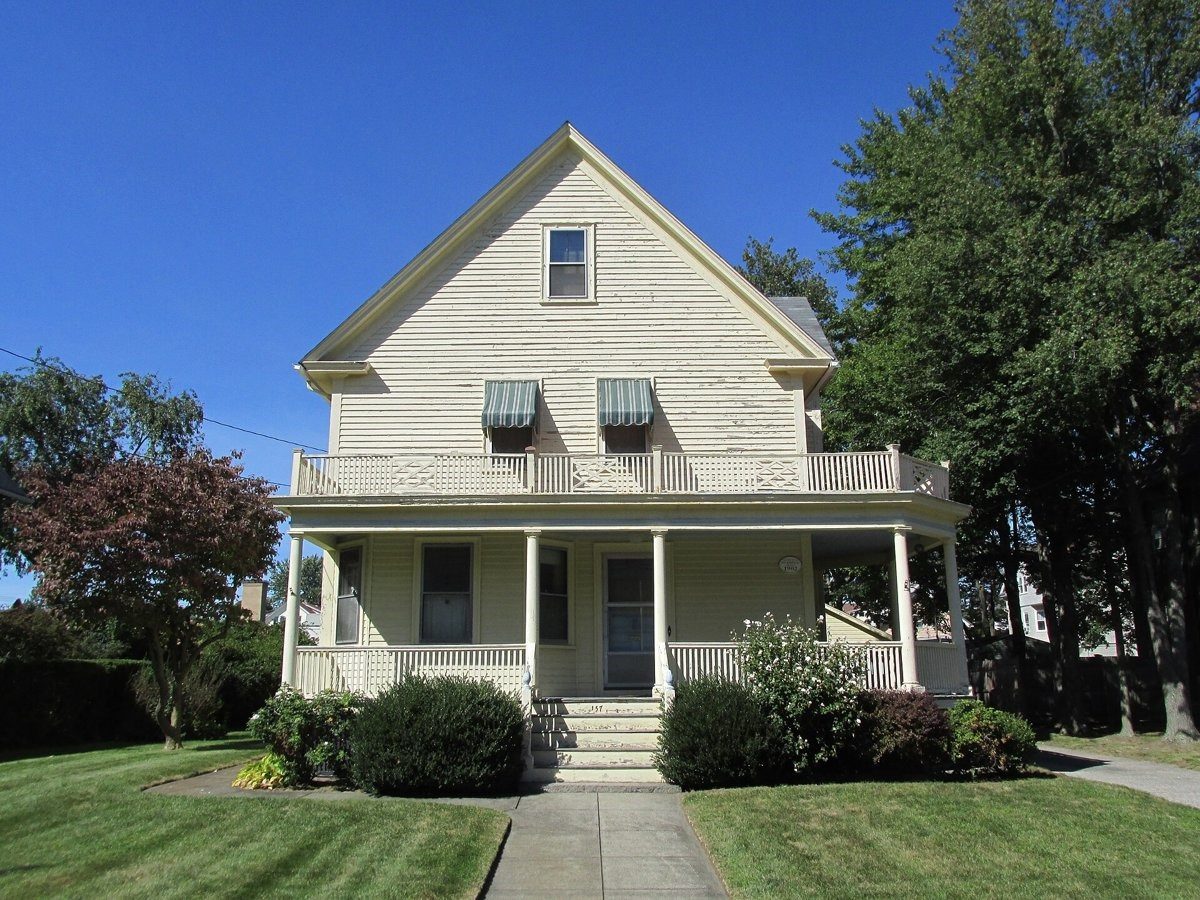
The most competitive part of the Rhode Island market is not the waterfront or the luxury end. It is the modest house: the two-bedroom cape in Warwick, the ranch in Cranston, the small colonial in North Providence, the condo in Providence. Those are the listings that draw a crowd on the first weekend. After 25 years as a Rhode Island broker and certified real estate appraiser, I have watched a lot of first-time buyers lose three or four of these before they win one. Most of those losses were avoidable.
Why small homes are so hard to buy right now
The numbers explain the pressure. In June 2026 the statewide median single-family price was $550,000 on 879 sales, up 5.8 percent from a year earlier, according to State-Wide MLS data reported by Rhode Island REALTORS. The median condo sold for $417,450. Homes went under agreement in a median of 29 days statewide, and faster in Providence County, where the median was 24 days.
When the middle of the market sits above half a million dollars, every house priced meaningfully below it becomes the target for a large pool of buyers: first-timers, downsizers, investors, and people priced out of the town they grew up in. The supply of true starter homes has not kept pace, because owners of small houses are staying put and very few new small houses get built in this state.
Where Rhode Island starter homes actually are
Starter homes in Rhode Island are mostly older housing. The post-war capes and ranches that fill much of Warwick, Cranston, West Warwick and Johnston were built for exactly this buyer, and they are still the backbone of entry-level inventory. Pawtucket, Woonsocket and parts of Providence add older colonials and multi-families that can work as a first purchase if you are willing to be a landlord. Condos in Providence, Warwick and East Providence are the other realistic door in.
Start by looking at current Warwick homes for sale and Providence homes for sale, then widen the map. Buyers who are flexible by one or two towns see far more options than buyers fixed on a single zip code.
How to compete without overpaying
Winning a small house is less about the biggest number and more about the cleanest offer. Here is what I see move sellers:
- A real pre-approval, not a pre-qualification. Have a lender review your income, assets and credit before you shop, and ask them to be reachable by the listing agent the day you offer.
- Proof of funds that matches the offer. Down payment and closing cash should be documented and sitting where the lender can see it.
- Terms the seller cares about. A flexible closing date, a short rent-back, or a quick attorney review can matter as much as a few thousand dollars.
- An escalation clause with a hard cap. Used carefully, it keeps you from bidding against yourself while setting a ceiling you decided on calmly, not at midnight.
- Speed. See it in the first day or two and write that day if it fits. The best starter homes rarely last to the second weekend.
The appraisal gap is where first-time buyers get hurt
This is my appraiser hat. A lender lends on the appraised value, not the contract price. If you bid well past what the recent comparable sales support, the appraisal can come in short, and you either bring the difference in cash, renegotiate, or walk away. Buyers putting down three to five percent usually do not have that cash. Before you offer, ask your agent to pull the closed comparables, not the active listings, and set your ceiling from them. An appraisal gap guarantee is only a good idea if the money is actually in your account.
Do not waive the inspection blindly
Much of Rhode Island's small-home stock was built before 1978, so lead paint is a real consideration, especially if you have young children. Older houses can also hide buried or basement oil tanks, knob and tube wiring, aging roofs and tired septic systems in towns without sewer. If you need to sharpen an offer, consider a shorter inspection period or an informational-only inspection rather than skipping it. Knowing what you are buying is not optional on a house this age.
Consider the house one step to the side
The listing everyone wants is the updated three-bedroom at the median-minus price. Less competition sits around it: the house that needs cosmetic work, the ranch with a dated kitchen, the condo with a slightly higher association fee, the two-family where rent helps carry the mortgage. Paint and flooring are cheap compared with winning a bidding war by $40,000. Structural problems, water in the basement or a failed septic system are different, and that is what the inspection is for.
Takeaways
- Starter homes are the most competitive segment in Rhode Island because the statewide median is well above what most first-time buyers can reach.
- Entry-level inventory is mostly older capes, ranches, small colonials, multi-families and condos.
- Clean terms and a strong pre-approval win as often as price does.
- Set your ceiling from closed comparable sales so an appraisal gap does not sink you.
- Shorten the inspection if you must, but do not skip it on a pre-1978 house.
Ready to see what is available in your range? Browse our Rhode Island home search or call me at 401-288-3600 and we will build a plan before the next good one hits the market.