Blog · 2026-10-09
Selling an Inherited House in Rhode Island: Probate, Taxes and Options
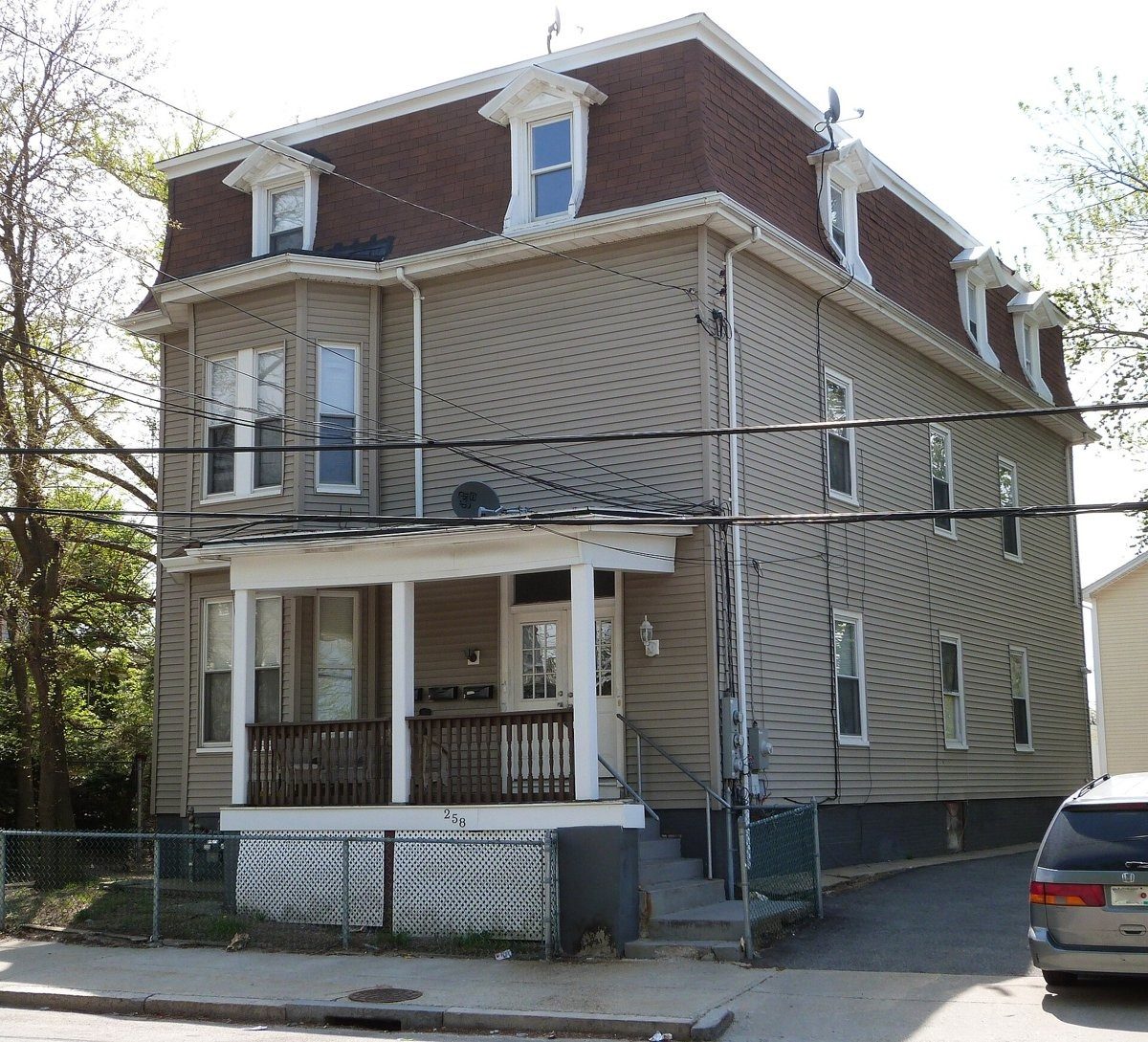
Some of the most common calls I get start the same way: a parent has passed, there is a house, and the family has no idea what comes next. I have been a Rhode Island broker for 25 years and I am a certified real estate appraiser, and I have walked a lot of families through this. The process is manageable once you know the order of operations. This is a general guide, not legal or tax advice, and you will want an estate attorney and an accountant on your team. But here is what I tell families before they make any decisions.
Step One: Who Actually Has the Right to Sell?
Nobody can sign a deed just because they are the oldest child or the one with the keys. The authority to sell depends on how the house was owned.
- Held in a trust. The successor trustee can usually sell under the terms of the trust, often without going through probate for that property.
- Joint ownership with right of survivorship. The surviving owner generally takes title automatically and can sell once the paperwork is recorded.
- Owned in the deceased person's name alone. This is where probate comes in. Someone has to be appointed by the court as executor or administrator before a sale can close.
Pull the current deed from the land evidence records in the city or town hall before you do anything else. It answers this question in a few minutes.
How Probate Works in Rhode Island
Rhode Island is unusual: probate is handled by a probate court in each city and town rather than one county court. If your mother lived in Providence, the estate is opened in Providence's probate court; if she lived in Warwick, it is Warwick's. Once the court appoints the executor (if there is a will) or administrator (if there is not), that person signs the listing agreement and the deed on behalf of the estate. Depending on the situation, your attorney may need court permission for the sale itself. Timelines vary, so I encourage families to start the probate filing early rather than waiting until they are ready to list.
The Tax Picture, in Plain Terms
Federal capital gains and stepped-up basis. Under federal tax law, heirs generally receive a "stepped-up" basis equal to the property's value on the date of death. If Dad bought the house decades ago for a fraction of today's price, the gain built up during his lifetime is typically not taxed when the heirs sell. That makes a documented date-of-death value very important, and it is one of the reasons families hire an appraiser early.
Rhode Island estate tax. Rhode Island has its own estate tax with an exemption threshold that is lower than the federal one, so some estates that owe nothing federally still have a state filing. The estate tax creates a lien on the real estate, and title companies will want a release of that lien from the Division of Taxation before the sale closes. Your attorney handles this, but it takes time, so get it moving.
Out-of-state heirs. If the estate or heirs are not Rhode Island residents, state withholding rules for nonresident sellers can apply at closing. Ask your accountant before you sign a purchase agreement, not after.
What the Sale Looks Like
Inherited houses in Rhode Island are often older homes that have not been updated in years. That is normal, and buyers expect it. A few items come up again and again:
- A smoke and carbon monoxide certificate from the local fire department is needed at the sale.
- If the house is on a cesspool, state law generally requires replacement within a year of a sale, and buyers will price that in.
- Old oil tanks, original electrical and lead paint in pre-1978 homes all affect who can buy the house and with what kind of loan.
- Estates usually sell as-is, but that does not mean hiding known problems. Talk to your attorney about what disclosure applies to an estate sale.
For context, the statewide median single-family price was $550,000 in June 2026 on 879 sales, and the Providence County median was $500,000 (State-Wide MLS via the Rhode Island Association of Realtors). Even dated houses are drawing buyers, which gives estates real choices.
Your Options for the House
- Sell as-is on the open market. Clean it out, make it safe, and let buyers compete. Usually the strongest net.
- Light preparation, then sell. Paint, cleaning and yard work can pay for themselves. Major renovations with estate money rarely do.
- Accept a cash offer. Fastest and simplest, usually at a lower price. Get a market value opinion first so you know what you are giving up.
- One heir buys out the others. Common and fair when the price is based on a real appraisal.
- Keep and rent it. Possible, but every heir becomes a landlord. Agree in writing first.
When siblings disagree, the house can sit empty for months while taxes, insurance and utilities keep running. An independent valuation is often what gets everyone on the same page.
Key Takeaways
- Check the deed first: trust, joint ownership or sole ownership decides who can sell.
- Probate in Rhode Island runs through the local city or town probate court.
- Get a date-of-death value documented; it matters for capital gains.
- Expect the estate tax lien release and smoke/CO certificate to be part of closing.
- Compare an as-is market sale with any cash offer before you decide.
See what similar homes are doing in Providence homes for sale and Warwick homes for sale. If you are handling a family property, visit our seller resources page or call me at 401-288-3600. I will tell you honestly what the house is worth and which path makes sense.