Blog · 2026-10-12
Selling a Tenant-Occupied Rhode Island Property
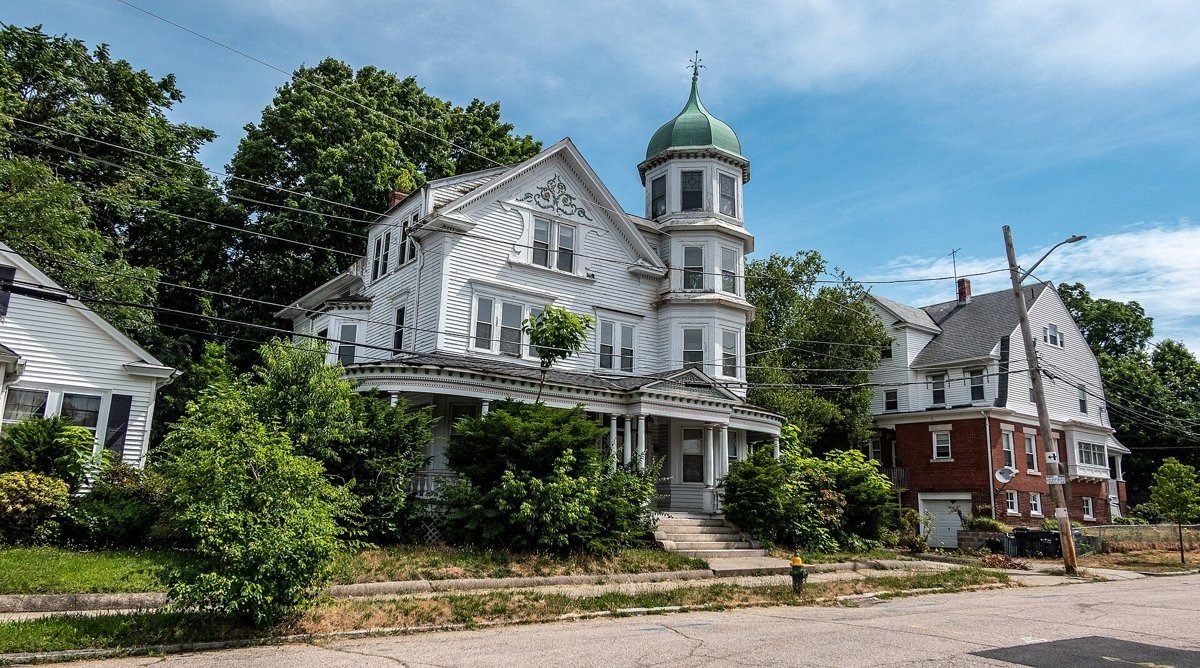
A lot of the property I sell in Rhode Island has someone living in it who is not the owner. Two-families and three-deckers in Providence and Pawtucket, a single-family that became a rental when the owner moved, a condo an investor has held for years. Selling with tenants in place is very doable, but it is a different sale from listing an empty house, and owners who treat it the same way usually leave money on the table. I have been a Rhode Island broker for 25 years and I am a certified real estate appraiser. Here is how I approach it. This is general guidance, not legal advice; a landlord-tenant attorney should review your specific leases.
The Lease Does Not End Because You Sold
This is the point owners most often get wrong. In Rhode Island, a sale does not cancel an existing lease. The buyer takes the property subject to it, with the same rent, the same end date and the same terms. If your tenant has a lease running another eight months, your buyer is buying those eight months too.
Month-to-month tenancies are different. They can be ended with proper written notice under the Rhode Island Residential Landlord and Tenant Act, but the notice has to be done correctly and on time, and a tenant who does not leave cannot simply be locked out. Removing a tenant requires a court process. Do not promise a buyer a vacant unit by a date you do not control.
Decide: Sell Occupied or Deliver Vacant?
There is no single right answer. It depends on who your buyer is.
- Investor buyers often prefer tenants in place, especially paying tenants at reasonable rents. To them the rent roll is the product.
- Owner-occupant buyers, including people buying a two-family to live in one unit, need at least one unit vacant at closing. Many lenders require it for owner-occupied financing.
- Below-market rents cut both ways. An investor will price in the time it takes to bring rents up; an owner-occupant may not care.
As an appraiser, I look at both: what the property is worth as a going rental and what it is worth delivered vacant. Sometimes the gap justifies waiting out a lease. Sometimes it does not.
Showings Without a War With Your Tenant
Your tenant has rights, and your sale depends on their cooperation. Rhode Island law requires a landlord to give advance notice before entering, at least two days except in emergencies, and the entry has to be at reasonable times. In practice, notice is the floor, not the goal.
- Talk to the tenant before the sign goes up. Silence breeds rumors.
- Group showings into set windows instead of one-off visits all week.
- Offer something for the inconvenience: a rent credit, a cleaning service, or help moving if they will be leaving.
- Never photograph the tenant's belongings without permission.
A cooperative tenant shows a clean unit. An unhappy one can quietly cost you buyers.
The Paperwork Buyers Will Ask For
Organize this before you list. It speeds up the sale and signals that the property has been run properly.
- A current rent roll: unit, rent, lease dates, deposit held, and who pays which utilities.
- Copies of every written lease, plus notes on any verbal arrangements.
- Security deposit records. Deposits are transferred to the buyer at closing and the tenants should be told who holds them afterward.
- For units built before 1978, your lead certificate status under Rhode Island's lead law. Buyers and their lenders will ask.
- Recent operating costs: taxes, insurance, water and sewer, heat if you supply it.
Buyers often ask tenants to sign an estoppel letter confirming their rent, deposit and lease terms. Expect it.
What the Market Looks Like
Demand for Rhode Island housing remains strong. In June 2026 the statewide median single-family price was $550,000 on 879 sales, up 5.8% from a year earlier, and homes sold in a median of 29 days. In Providence County the median was $500,000 on 415 sales (State-Wide MLS via the Rhode Island Association of Realtors). Multi-family pricing depends heavily on rents and condition, so I value those on comparable sales and income rather than a single median.
Key Takeaways
- A lease survives the sale; the buyer inherits it.
- Month-to-month tenants need proper written notice, and only a court can remove someone who stays.
- Match the occupancy plan to the buyer: investors like tenants, owner-occupants need a vacant unit.
- Give proper notice for showings and keep the tenant on your side.
- Have the rent roll, leases, deposits and lead paperwork ready before listing.
See what is selling in Providence homes for sale and Pawtucket homes for sale. If you own a rental you are thinking of selling, visit our seller resources page or call me at 401-288-3600. I will tell you what it is worth occupied and vacant, and which path nets you more.