Blog · 2026-10-05
Selling a House in Rhode Island: The Full Timeline From Prep to Closing
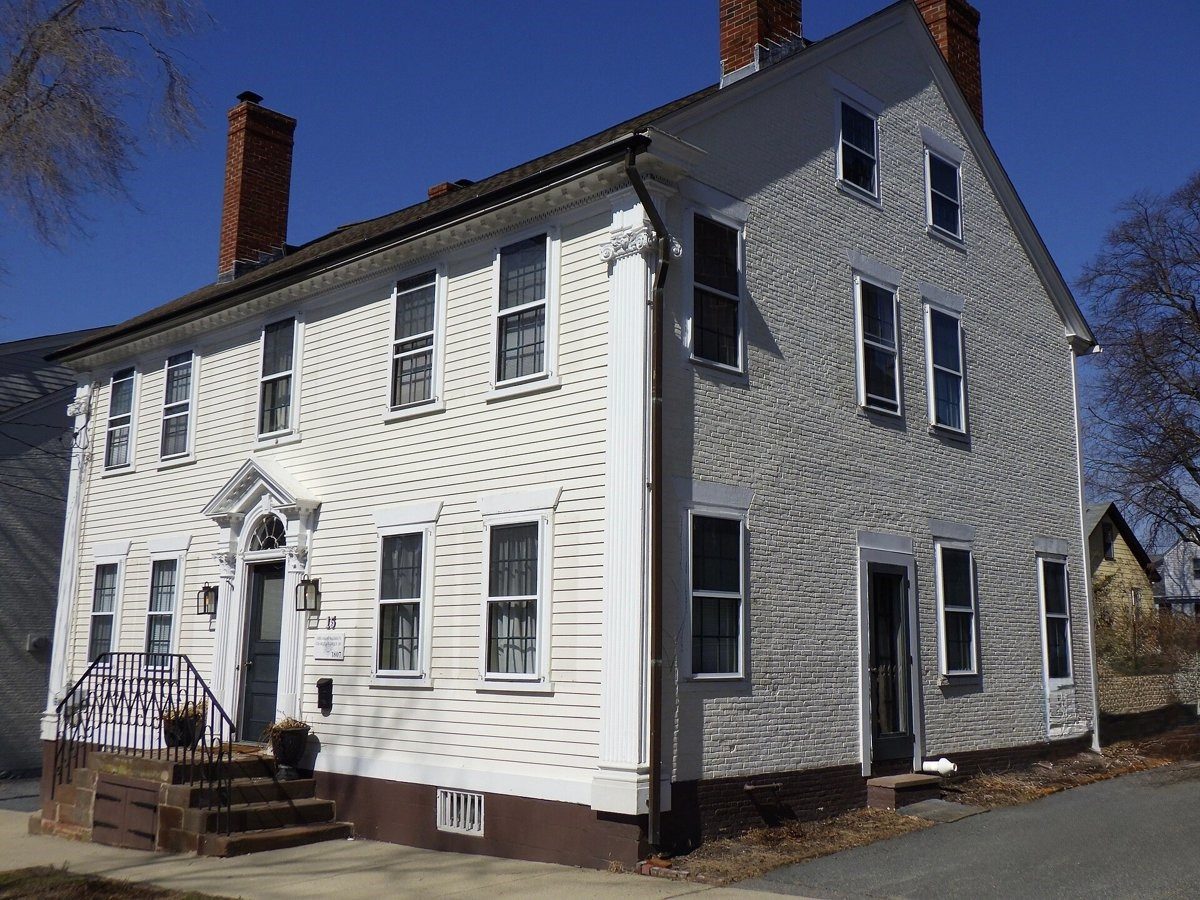
Sellers usually ask me two questions in the first five minutes: what is it worth, and how long will this take? The second answer is less about the market than most people think. Days on market is only one piece. The full process, from the first walk-through to the day the money hits your account, has several stages, and the ones that cause delays are almost always the ones a seller did not see coming. After 25 years as a Rhode Island broker and certified appraiser, here is the timeline as it actually plays out here.
Stage 1: Preparation (Two to Six Weeks Before Listing)
This is the stage you control completely, and it sets up everything that follows. I walk the house with sellers and sort the work into three piles: things a buyer's inspector will flag, things that hurt photos and first impressions, and things that are not worth touching.
- Repairs that show up in inspections. Active leaks, missing handrails, a dead GFCI outlet, a boiler that has not been serviced in years. Small items cost little now and cost a lot in negotiation later.
- Declutter, clean and paint. Still the highest-return work in almost every Rhode Island house I list.
- Skip the big remodel. A new kitchen right before listing rarely returns its cost.
Use this time to gather paperwork too: your deed, any permits for past work, the septic or cesspool records if you are not on sewer, oil tank information, and recent utility costs. Buyers in older homes ask for these, and having them ready speeds every later stage.
Stage 2: Pricing (About One Week)
I price listings the way an appraiser would, from closed sales of similar homes, adjusted for condition and features. Market data gives context: in June 2026 the statewide median single-family price was $550,000 on 879 sales, up 5.8% from a year earlier, and the median home sold in 29 days (State-Wide MLS via the Rhode Island Association of Realtors). But a median is not your price. Comparable sales are. A price the comps support is what keeps the timeline short, because it holds up when the buyer's lender sends an appraiser.
Stage 3: Disclosure and Listing Launch (About One Week)
Rhode Island requires sellers of residential property to complete a written property condition disclosure, and a buyer should receive it before signing a purchase and sale agreement. Fill it out honestly and completely before you go live. For homes built before 1978, federal law also requires lead paint disclosure and gives buyers an opportunity to do a lead inspection, typically up to 10 days.
Then come professional photos, the floor plan, the MLS entry and the marketing launch. The first two weekends are when buyer attention peaks, so we do not go live until the house is ready.
Stage 4: Showings and Offers (Days to Weeks)
A well-priced house in a busy segment can draw offers in the first week. A house that is overpriced, or a type with fewer buyers, takes longer. When offers arrive, price is one factor. I also weigh financing type, down payment, inspection and appraisal terms, and the closing date. A slightly lower offer with fewer contingencies often closes more reliably than the highest number on paper.
Stage 5: Under Contract (Roughly 30 to 60 Days)
Once the purchase and sale agreement is signed, the clock runs on the buyer's contingencies:
- Home inspection. Usually in the first week or two, followed by any repair requests.
- Appraisal. Ordered by the buyer's lender. A low appraisal means renegotiation.
- Mortgage commitment. The lender's final approval, by a date set in the contract.
- Title work. The closing attorney or title company searches the title and clears any old liens.
Seller to-dos happen here too. Rhode Island requires a smoke and carbon monoxide detector certificate from the local fire department when a home is sold, so book that inspection early, since some departments schedule out. If the property has a cesspool, state law generally requires it to be replaced within a year of sale, which almost always becomes part of the negotiation. If you heat with oil, arrange a final reading.
Stage 6: Closing Day
The buyer does a final walk-through, usually within a day or two of closing. At closing you sign the deed and settlement documents, your mortgage is paid off from the proceeds, and the Rhode Island real estate conveyance tax is collected. Your closing attorney calculates the exact figures in advance. If you are not a Rhode Island resident, ask about state withholding early so it does not surprise you.
Key Takeaways
- Plan on prep, pricing and launch taking several weeks before the house goes live.
- Price from comparable sales so the appraisal does not stall the deal.
- Complete the Rhode Island seller disclosure before you list.
- Book the smoke and CO certificate inspection as soon as you are under contract.
- Cesspools, oil tanks and lead paint are the local issues most likely to slow a closing.
To see your competition, browse Providence homes for sale or Warwick homes for sale. When you are ready to plan your own timeline, visit our seller resources page or call me at 401-288-3600.