Blog · 2026-11-06
How To Sell a Rhode Island House As-Is Without Leaving Money on the Table
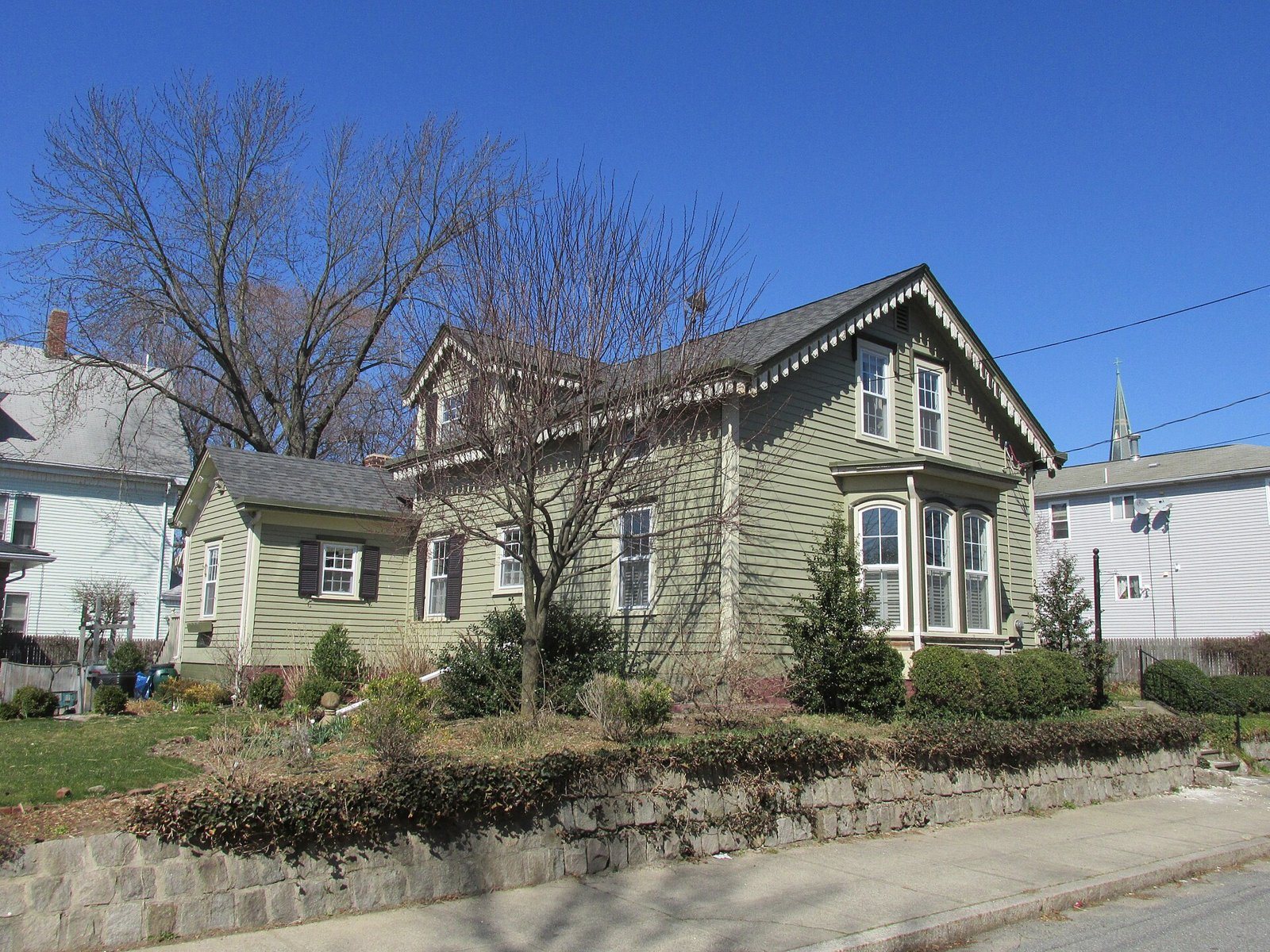
Not every house is ready for a magazine photo shoot, and not every owner has the time or money to make it ready. A dated kitchen, an older roof, a basement that takes on water in a March rain. Selling a Rhode Island house as-is is a legitimate option. After 25 years as a broker and certified appraiser, though, I can tell you the sellers who do best with it understand three things: what they still have to disclose, how the house should be priced, and who is actually going to buy it.
As-Is Is a Repair Position, Not a Disclosure Exemption
An as-is sale tells buyers you will not be fixing anything or crediting them for repairs. It does not let you stay quiet about problems you know about.
Rhode Island law requires residential sellers to give buyers a completed disclosure form before the purchase and sales agreement is signed. It covers the structure, the roof, water in the basement, the heating and electrical systems, the sewer or septic, and more. Answer it truthfully. Buyers who discover a concealed defect after closing have remedies, and "it was sold as-is" is not a defense to failing to disclose.
Other requirements that do not go away:
- Homes built before 1978 need the federal lead-based paint disclosure, and buyers get a chance to test for lead unless they waive it.
- Most Rhode Island transfers need a smoke and carbon monoxide detector certificate from the local fire department before closing.
- The buyer can still inspect. An as-is contract usually lets them walk away during the inspection period instead of asking for repairs.
If the sale involves an estate, a trust or a court, ask your attorney how those rules apply to you.
Setting the Right As-Is Price
An as-is house is not automatically a bargain-bin house. It is a house that has to be priced for its condition.
The way I approach it as an appraiser: start with recent sales of homes in comparable condition nearby. Then cross-check against what the house would bring fully updated, and subtract what a buyer would realistically spend to get there, plus an allowance for their time, financing costs and the risk of surprises. That gap is real, but it should be explainable. If a buyer cannot explain how they reached their number, they are guessing in their own favor.
Two inexpensive steps make a big difference:
- Get written quotes for the major items, such as the roof, heating system or septic. Buyers discount unknowns far more heavily than known costs.
- Clear out the clutter even if you fix nothing. Buyers need to see floors, walls and the basement to judge condition.
The Three Buyer Pools
Buyers who will live there. Some use renovation mortgages that finance the purchase and the work together; others simply want a lower price and plan to update over time. They often pay the most.
Investors. They work backward from the after-repair value and their profit target. They close quickly but rarely stretch on price.
Cash-offer companies and wholesalers. The fastest route, and sometimes the right one. Be aware that a wholesaler may be planning to resell your contract to another investor.
Condition shapes which of these pools you can reach. Government-backed loans like FHA and VA, and many conventional loans, require the home to meet basic safety and soundness standards. A house with an active roof leak or no working heat may be limited to cash and renovation financing. A house that is merely outdated can be sold to nearly anyone.
What It Looks Like in Pawtucket
Pawtucket is a good illustration. The city's housing is largely older, from mill-era two- and three-families to Victorian singles, so plenty of listings need work. Buyers have been active anyway: in September 2026 the median single-family home sold for $417,500, up 9.0% from a year earlier, with 34 sales averaging 25 days on market, compared with a $534,000 statewide median and 34 days (RIAR / State-Wide MLS). A fairly priced as-is home in that kind of market can still attract more than one offer. Browse current inventory on our Pawtucket homes page.
Before You Take the First Offer
A quick cash offer is easy to accept when a house feels like a burden. Compare it with what open-market exposure would bring first. Even an as-is listing on the MLS reaches owner-occupants, investors and cash buyers at the same time, which is how you find the real price. You can also search Rhode Island listings to see how similar homes are priced and how long they are sitting.
Takeaways
- As-is means no repairs; Rhode Island's disclosure form is still required.
- Lead paint disclosure (pre-1978) and the smoke and CO certificate still apply.
- Price from comparable condition sales and written repair quotes.
- Condition determines whether FHA, VA and conventional buyers can finance it.
- Compare any direct offer against open-market exposure before signing.
Have a house that needs work and want a straight answer on value? Call 401-288-3600.