Blog · 2026-11-13
Buying a Two-Family in Rhode Island to Live In: A Practical Guide
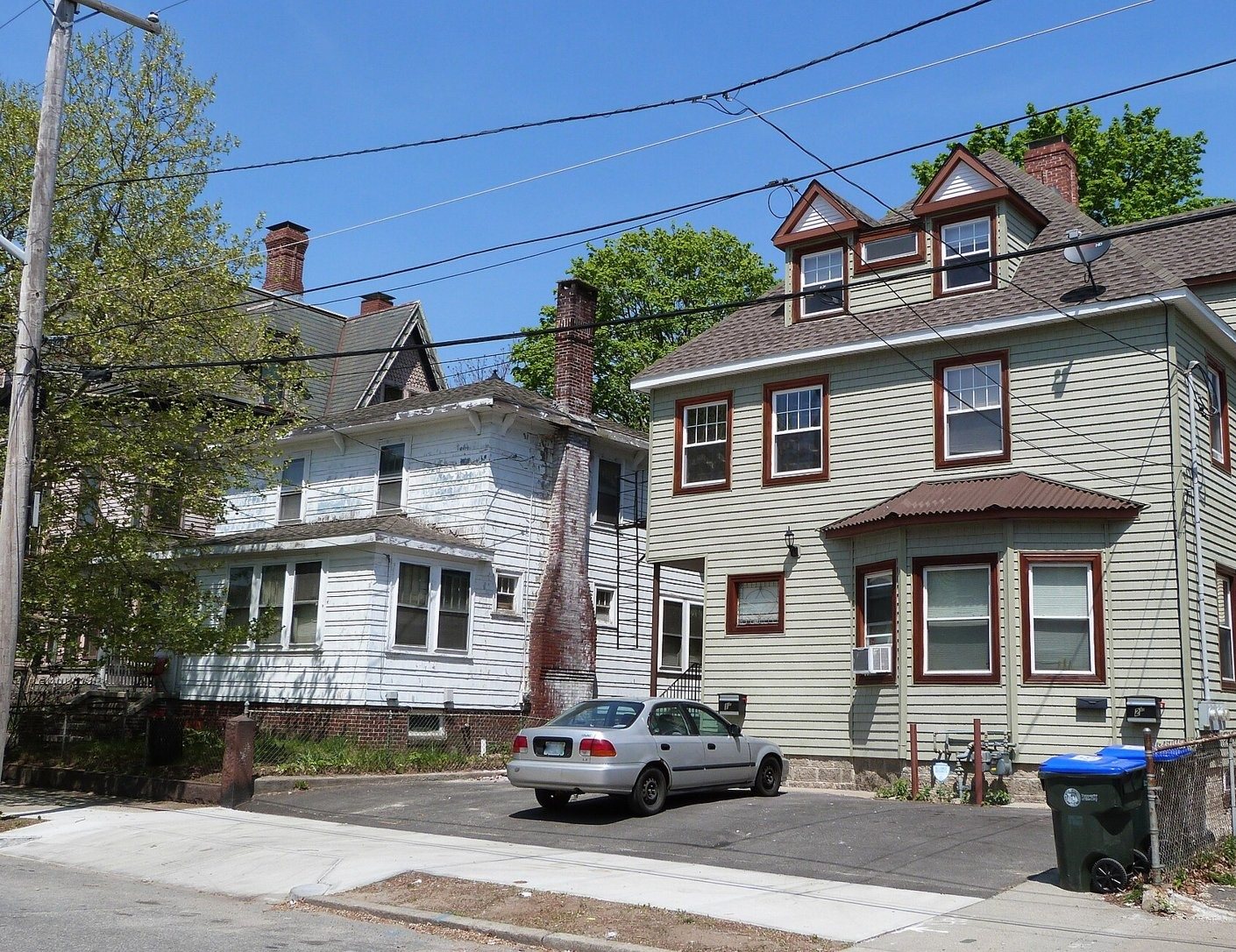
Rhode Island has a lot of two-family houses. Drive through Providence's West End, Pawtucket's Woodlawn or the side streets off Cranston Street and you will see block after block of stacked, two-unit homes built for working families more than a century ago. For many buyers today, those same buildings are the most practical path to owning a home: live in one apartment, rent the other, and let the rent help pay the bills.
It can work very well. It can also go badly if you skip the homework. This guide covers what to check, how these buildings are priced, and what life as an owner-occupant landlord actually looks like.
The Basic Math of Living in One Unit
With an owner-occupied two-family, the second unit's rent offsets part of your monthly housing cost. Because you live in the building, lenders generally treat the purchase as a primary residence, which tends to mean lower down payment options than an investment purchase. How much of that rent counts toward your loan approval depends on the program and the lender, so get that answer in writing during pre-approval, not after you find a house.
Keep in mind the market backdrop. According to RIAR data, Providence's median single-family sale price was $420,000 in September 2026, 19.2% lower than a year before, across 45 closings averaging 34 days on market. Rhode Island's statewide single-family median that month was $534,000. Two-families trade in their own lane, so treat those figures as context, not as a price guide for a two-unit building.
What Sets the Price of a Two-Family
Two things drive value: what similar two-families nearby have sold for, and what the rents can support. An appraiser for your lender will mostly rely on recent comparable sales, adjusting for condition, square footage per unit, parking and updates. Rents matter too, especially when they are well above or below what the neighborhood commands.
The practical lesson is to trust documents over marketing. "Potential rent" in a listing is a guess. A signed lease, a rent ledger and a few comparable rentals on the same street are evidence.
Your Inspection-Period Checklist
- Review every lease. Know the rent, the end date, and where the security deposit is. Existing tenants and their leases usually stay with the building.
- Ask about lead. Much of Rhode Island's two-family stock predates 1978, and the state has lead requirements for rental units in those buildings that have gotten stricter recently. Find out what the seller has on file and confirm current requirements with the Department of Health or RIHousing.
- Look at the mechanicals. Separate furnaces, water heaters and electric meters let each household pay its own utilities. One shared boiler means the heating bill for both units is yours.
- Confirm the legal unit count. Check city records. An extra apartment in the attic that was never approved is a liability, not income.
- Understand the tax side. Many Rhode Island cities, Providence included, treat owner-occupied homes differently for property tax. Ask the assessor what to file after you move in. Confirm the current rate directly with the city rather than relying on a listing sheet.
Where Two-Families Cluster
In Providence, Elmwood, Washington Park, Silver Lake, Olneyville and the West End carry most of the two-family inventory and the most approachable prices. Federal Hill and Mount Pleasant lean more renovated. Pawtucket and Central Falls offer dense neighborhoods near the train, while Cranston and Woonsocket often give you more driveway and yard. Off-street parking is worth paying attention to, because tenants and future buyers both ask about it first.
You can browse current options on the Providence two-family homes page, or widen the net with our Rhode Island property search and filter by multi-family.
What Owner-Occupant Landlords Learn Fast
You share walls, a driveway and sometimes a basement with your tenant. Put house rules and maintenance responsibilities in the lease, apply the same screening standards to every applicant, and set aside money every month for repairs. Learn Rhode Island's landlord-tenant basics early. The owners who treat the second unit like a small business, not a favor, are the ones who are glad they bought.
Quick Takeaways
- Living in one unit and renting the other can lower your net housing cost and qualify you for owner-occupant financing.
- Price a two-family on real sales and real leases, not on projected rent.
- Verify lead compliance, utilities, legal unit count and tax status before inspections end.
- Providence's two-family inventory is concentrated in Elmwood, the West End, Olneyville and nearby neighborhoods.
Questions about a specific building? Call 401-288-3600 and we will help you sort the numbers before you make an offer.