Blog · 2026-10-30
Buying a Brand-New Home in Rhode Island: A Builder Checklist
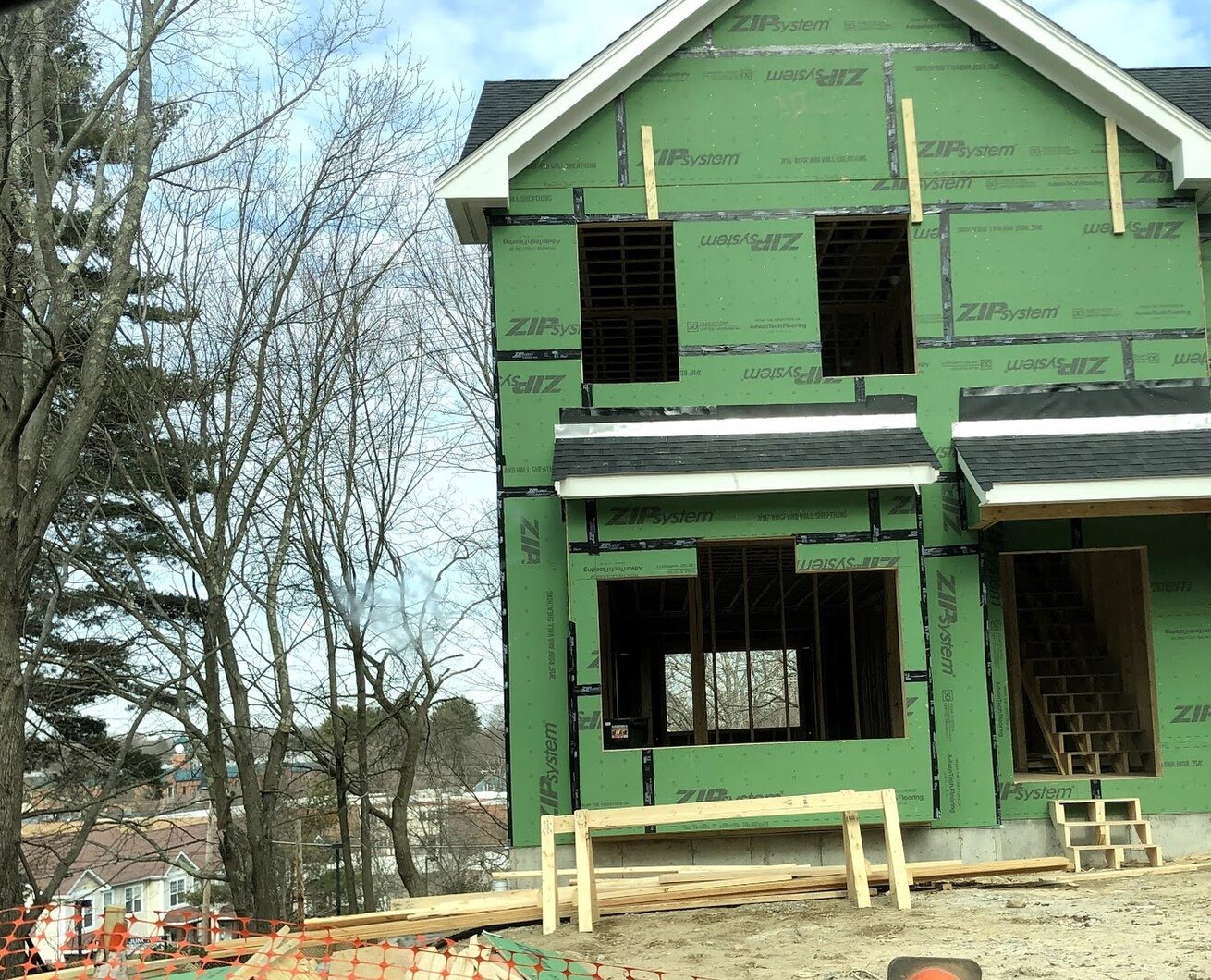
Buyers love the idea of a brand-new house: nobody else's paint colors, a roof with decades left on it, and a furnace that is not a mystery. In Rhode Island, though, new homes are a small slice of what is for sale, and buying one works differently from buying a resale. Here is how to find new construction around the state and how to protect yourself when you deal directly with a builder.
Why New Homes Are Hard To Find Here
The state has very little open land near its job centers, and what is left often comes with wetlands, ledge, or no public sewer. That pushes new building into two patterns. Close to Providence, it is mostly one-off infill, where an older house comes down or an oversized lot is split. Farther out, in towns such as Coventry, North Kingstown, Exeter, Richmond and Hopkinton, you see more small subdivisions and individual building lots.
Price matters too. Coventry's median single-family sale in September 2026 was $402,500 across 42 sales, below the statewide median of $534,000, according to Rhode Island Association of Realtors figures. In a town like that, a new home has to compete with a lot of reasonably priced existing homes, so builders' pricing deserves close scrutiny. See current listings on our Coventry homes for sale page.
Spec, Pre-Construction or Custom
A spec house is built before a buyer is lined up, so you can walk it and judge the workmanship. A pre-construction purchase in a subdivision lets you choose the lot, plan and finishes, usually on the builder's own contract. A custom build on land you own gives you the most control but needs a construction loan and a lot of decisions, and on a rural parcel the first question is whether the soil will pass for a septic system and the well will produce.
Your Checklist for the Builder
- Registration and track record. Rhode Island requires residential contractors to register with the Contractors' Registration and Licensing Board. Confirm it, then drive past homes the builder completed and talk to the owners if you can.
- Standard features versus upgrades. The model is rarely the base house. Ask for the written specification list and a price for every change.
- Warranty in writing. Know what is covered, for how long, and the process for repairs after you move in.
- Completion date and remedies. Find out what happens if the house is late and under what terms you can cancel.
- Deposit protection. Ask where your money sits until closing. A Rhode Island real estate attorney should read the builder's contract before you sign.
- Site documents. Request the state septic approval if there is no sewer, the well yield and water quality results for a private well, and any association covenants or easements.
How the Appraisal Can Trip You Up
Lenders rely on an appraisal built from comparable sales. With so few new homes selling in most Rhode Island towns, the appraiser may have to lean on resales, and those do not always support a builder's price plus a long list of upgrades. When the value comes in low, the difference comes out of your pocket unless the contract gives you an out. Choose upgrades that the next buyer would also pay for, and be cautious with highly personal finishes.
One more surprise: tax bills on new construction. The bill on a vacant or partially built lot may reflect only the land. Ask the local assessor how the completed home will be valued so your monthly budget is realistic.
Inspect It Anyway
The local building inspector checks code compliance before issuing a certificate of occupancy. That is not the same as a buyer's inspection. Hire your own inspector before the walls are closed and again before closing, and keep a written punch list of everything that needs finishing.
New Versus Nearly New
Run the numbers both ways. A resale that is ten or fifteen years old in the same neighborhood may offer more space, mature landscaping and a known history for less money. A new home offers efficiency and fewer near-term repairs. To see what is available in your price range right now, new and existing, use our home search.
Quick Takeaways
- Expect infill near Providence and small subdivisions in suburban and rural towns.
- Check the builder's state registration and finished homes.
- Get specs, warranty, timeline and deposit terms in writing, reviewed by an attorney.
- Upgrades that outrun comparable sales can create an appraisal gap.
- Inspect before drywall and before closing.
Questions about a specific new build? Call 401-288-3600 and we will walk through it with you.