Blog · 2026-11-04
Buying a Rhode Island Home With an In-Law Apartment: Legal Units, Appraisals and Value
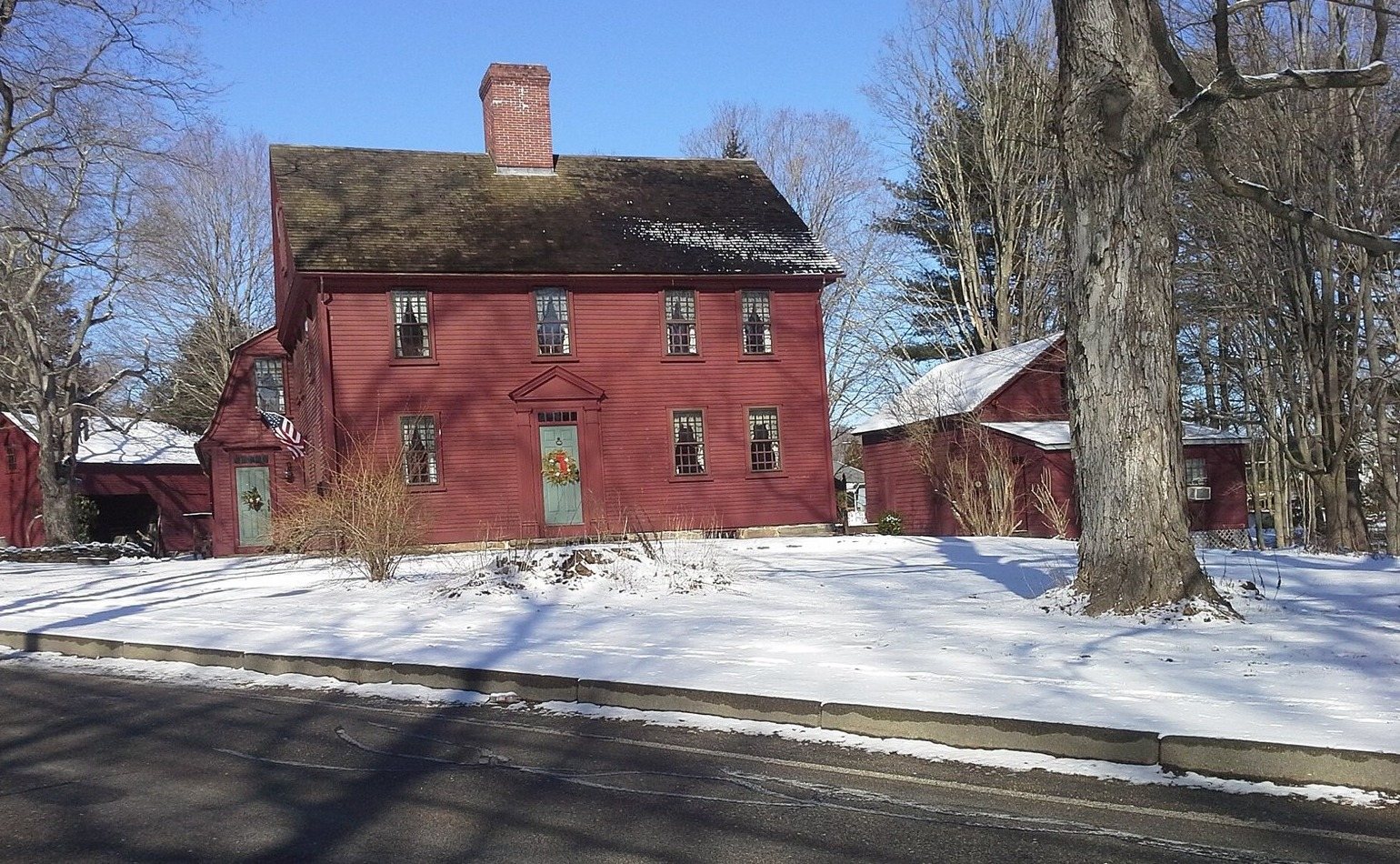
A home with a second living space can solve a lot of problems at once: a parent who needs to be close, a grown child saving for a down payment, or extra income to help with the mortgage. Rhode Island buyers search for "in-law apartments" constantly, and sellers know it. That is exactly why you need to look past the listing language before you pay for the extra space.
Start With One Question: Is It a Legal Unit?
Everything else follows from the answer. A second living area in a Rhode Island house is generally one of these:
- An approved accessory dwelling unit on a single-family lot.
- A legal two-family home, recorded and taxed as two units.
- A finished basement, attic or garage with a kitchen and bath that was never permitted as a dwelling.
The listing may call all three an "in-law." Your lender, your appraiser, your insurer and the town will not.
How To Check the Status Before You Commit
State law on accessory dwelling units in Rhode Island has been updated in recent years, and municipalities have been revising their own zoning to follow it. Rules differ by town and by zoning district, and some approvals carry conditions such as owner occupancy. Rather than trusting a summary that may be out of date, go to the source:
- Building department: request the permit file and the certificate of occupancy for the space.
- Assessor's record: see whether the property is carried as one unit or two.
- Zoning office: ask whether there are recorded conditions and whether they survive a sale.
- Septic records, if applicable: Rhode Island septic systems are designed for a set number of bedrooms. An added bedroom in the in-law area may exceed it.
Put the purchase under an inspection and due-diligence period long enough to get these answers. Town offices can take several days to pull older files, so request them the day your offer is accepted. Have your home inspector look closely at the in-law space as well: egress windows in lower-level bedrooms, smoke and carbon monoxide detection, separate heat, and whether the electrical and plumbing work looks like it was done under a permit or by the previous owner on a weekend.
How Appraisers Treat the Extra Space
As a certified appraiser, I see the same pattern on these files again and again:
- Legal, well-designed units can support a higher value when comparable sales show buyers paying for them. Separate entrances, separate utilities and an accessible layout help.
- Basement apartments are below grade, so their square footage is not included in gross living area and is typically valued at a lower rate.
- Unpermitted second kitchens may receive little value as a unit, and some lenders will require the issue be corrected before they fund.
- Income from the unit may or may not count toward your qualifying income. That depends on the loan program and on legality, so ask the lender early.
Cranston: Where Many of These Homes Are
Cranston has a large stock of older capes, ranches and raised ranches, and many have lower levels or additions that were converted to family living space over the years. It is also one of the busier markets in the state. In September 2026, the median single-family home in Cranston sold for $500,000, up 4.7% from a year earlier and below the statewide median of $534,000, on 59 sales with an average of 25 days on market (Rhode Island Association of Realtors / State-Wide MLS). With homes moving that fast, buyers are tempted to skip the permit check. Don't.
You can see what is available now on our Cranston homes with in-laws page, or run a statewide home search and filter by town.
If the in-law space turns out to be unpermitted, that does not have to kill the deal. It changes the price conversation. Find out from the town what legalizing it would require, get a contractor's estimate, and negotiate from those numbers rather than from the listing description.
Renting the Space Changes the Rules
If you plan to rent the unit to someone who is not family, Rhode Island's lead law applies to rental units in pre-1978 buildings, which require a Certificate of Lead Conformance; that responsibility moves to you when you buy. You will also need landlord coverage on your insurance and should understand the lease and tenant rules before you sign anyone up.
Quick Takeaways
- Confirm the space is a permitted unit or a legal two-family before you pay a premium for it.
- Town permit files, the certificate of occupancy and the assessor's card tell you more than the listing.
- Basement apartments are not counted as gross living area, and unpermitted kitchens can hold up a loan.
- Check septic design capacity and your lender's rules on rental income.
- Renting to non-family on a pre-1978 home triggers Rhode Island's lead law.
Questions about a specific property with an in-law apartment? Call 401-288-3600 and we will walk through it with you.