Blog · 2026-10-28
Providence RI Neighborhoods: Where To Buy and What To Check First
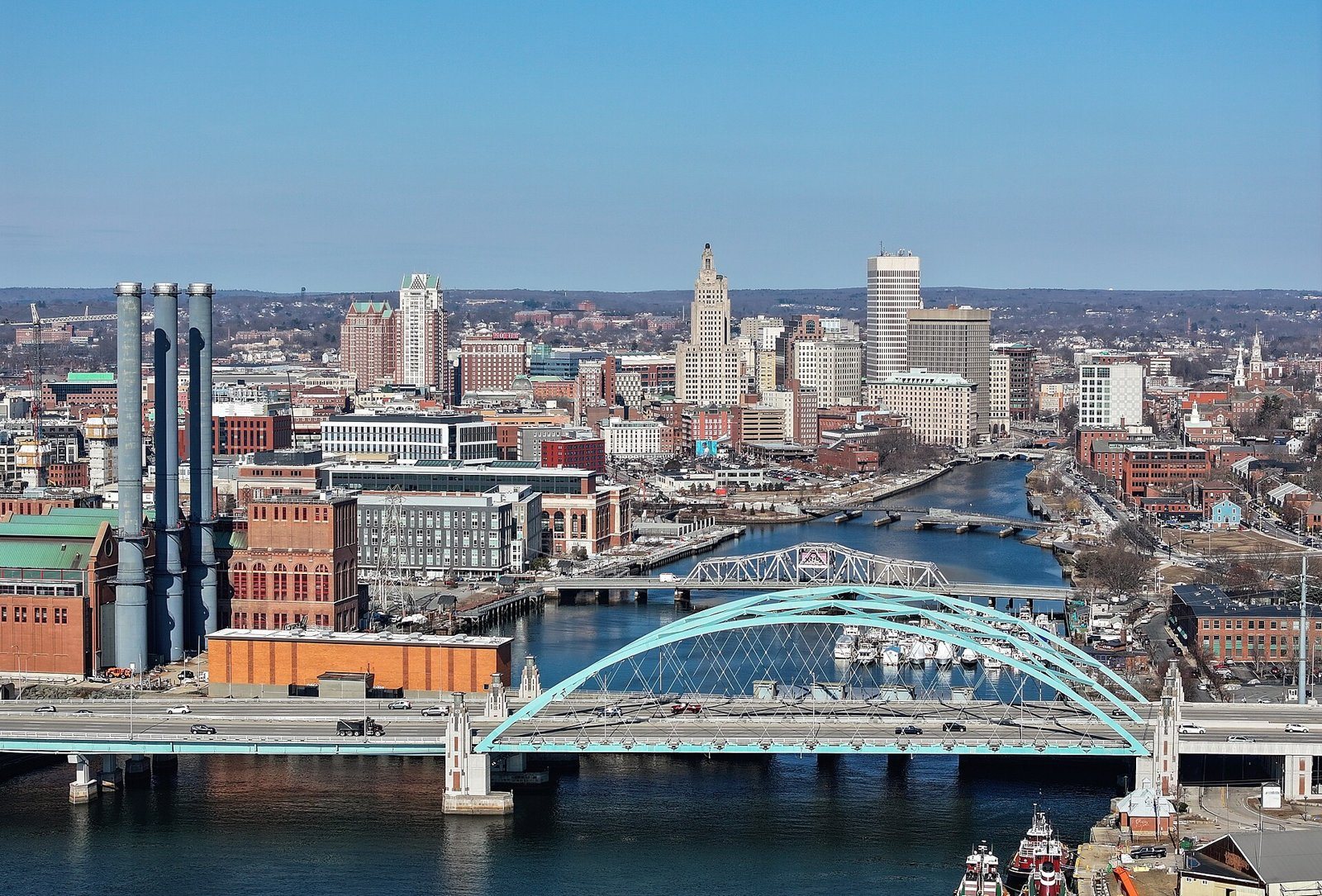
If you are shopping for a home in Providence, here is the most useful thing I can tell you: the city is not one housing market. It is a collection of neighborhoods with different housing stock, different buyers and very different prices. I have been selling and appraising Rhode Island real estate for 25 years, and the buyers who do best in Providence are the ones who settle on a neighborhood early and learn its comparable sales cold.
Reading the latest Providence numbers correctly
According to Rhode Island Association of Realtors / State-Wide MLS data, 45 single-family homes sold in Providence in September 2026 at a median of $420,000. That is 19.2% below September 2025, when 41 homes sold. Homes averaged 34 days on market, up from 28. Statewide, the single-family median was $534,000.
Three months earlier the picture looked different. In June 2026, Providence recorded 66 single-family sales at a $496,500 median, a 4.5% gain over the prior year, from the same source. The gap is mostly about sample size and mix. With a few dozen sales a month, the median moves with whichever neighborhoods closed. Use citywide figures for direction, and use neighborhood sales for price.
A quick tour of the neighborhoods
The East Side. College Hill, Wayland Square, the Blackstone area and Fox Point make up Providence's most expensive and most competitive section. Think historic single families on tree-lined streets near Brown University, RISD, Thayer Street and Hope Street. Much of College Hill falls inside a local historic district, so plan on Providence Historic District Commission review for exterior work such as windows, siding or additions.
Elmhurst and Mount Pleasant. Around Providence College and Rhode Island College, these neighborhoods offer sturdy early 1900s single families and plenty of two-families. They are a natural fit for owner-occupants who want rental income from a second unit.
Federal Hill, the West End and the Armory District. Known for Atwells Avenue and its restaurants, these areas hold a deep supply of triple-deckers and Victorian multi-families. Some are fully updated; others still need work. Street parking is the norm.
Downtown and the Jewelry District. This is the condo side of Providence: units in converted historic buildings and newer construction near the former I-195 land and the hospital district. Lenders look closely at condo associations, so review the budget, reserves and any pending assessments early.
The South Side and West Side. Elmwood, Washington Park, Silver Lake, Olneyville and Smith Hill are where many first-time buyers and investors find their way into the city. Prices are lower, and condition varies widely, so inspections and repair estimates carry extra weight.
Why buyers keep choosing Providence
The city holds a large share of the state's jobs: Rhode Island Hospital and the hospital district, Brown, RISD, Providence College, Johnson & Wales and state government. Commuters to Boston can take the MBTA Providence Line from Providence Station, and Route 95, Route 146 and Route 6/10 connect the neighborhoods to the rest of Rhode Island. T.F. Green Airport in Warwick is a short drive south. For buyers coming from Greater Boston, that combination of jobs, transit and older housing stock with real character is usually what tips the decision. Which neighborhood fits depends on how you weigh walkability, parking, yard space and renovation appetite.
Due diligence that matters in Providence
- Confirm the legal number of units with the city. An extra apartment that was never permitted does not count for appraisal or financing.
- Ask for the lead certificate on any rental unit in a building built before 1978. Rhode Island requires it, and responsibility passes to the buyer.
- Budget taxes at the right rate. Providence uses separate rates for owner-occupied and non-owner-occupied homes, and the difference changes the numbers on any rental.
- Have the inspector look hard at wiring, heating, oil tanks, roofs and the sewer line, the usual problem areas in older city homes.
Putting it together
Choose two or three neighborhoods, study what actually sold there in recent months, and be ready to move when the right home lists. You can start by exploring Providence homes for sale neighborhood by neighborhood, then set up a saved home search so new listings reach you the day they hit the market.
Quick summary
- Treat Providence as a set of neighborhood markets, not one city market.
- Single-family median: $420,000 on 45 sales in September 2026; $496,500 on 66 sales in June 2026.
- Small monthly samples make citywide medians jumpy; price from neighborhood comparables.
- Check legal unit count, lead certificates and the correct tax rate on any multi-family.
Questions about a specific Providence street or building? Call 401-288-3600 and I will give you a straight answer.