Blog · 2026-11-11
Buying a Historic Home on Providence's East Side: What To Know First
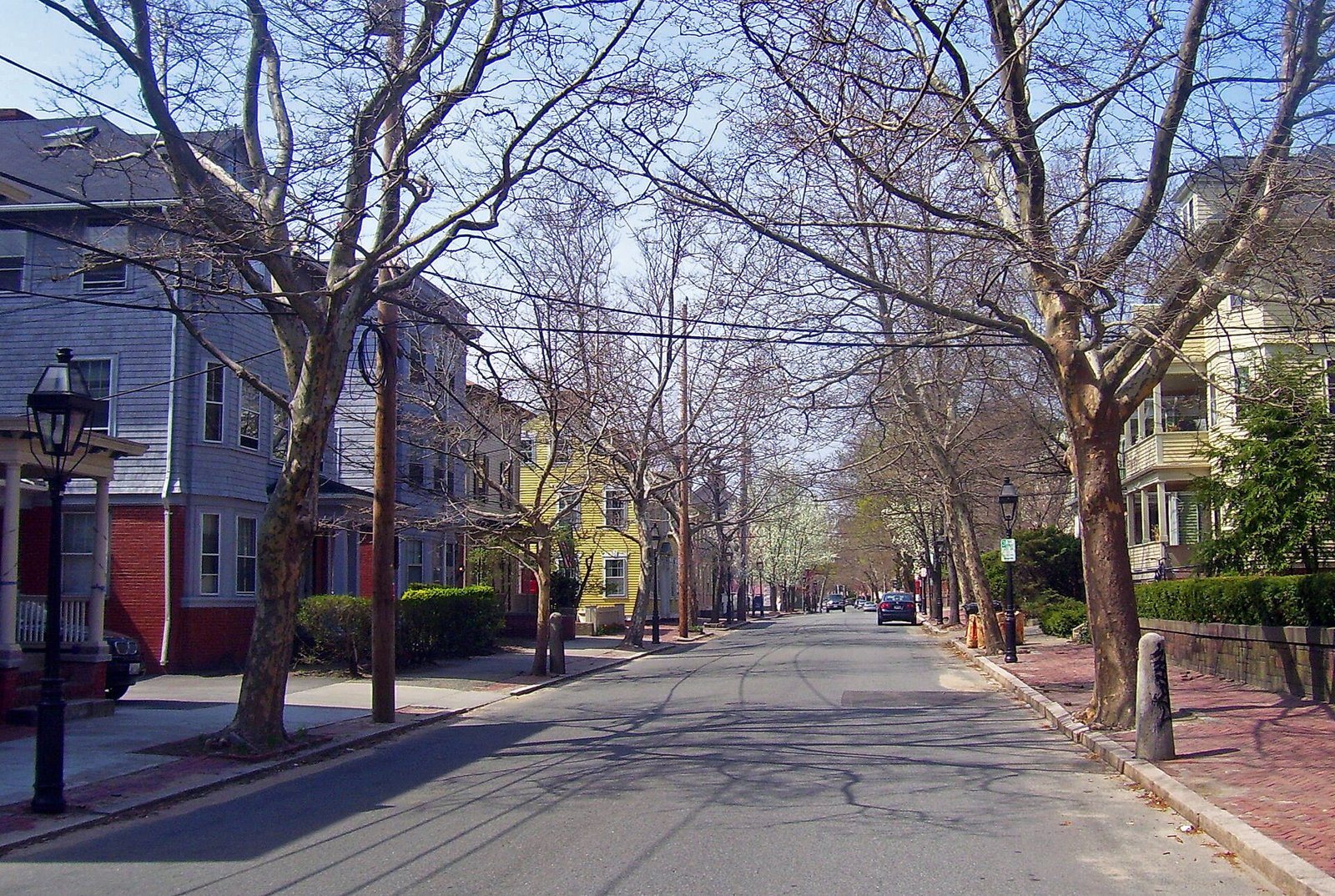
The East Side of Providence has some of the most admired housing in New England. College Hill alone holds blocks of eighteenth and nineteenth century houses that look much as they did generations ago. That is the appeal. It is also the part buyers need to understand before they sign anything, because a house in a historic district comes with responsibilities that a 1990s colonial in the suburbs does not.
After 25 years as a Rhode Island broker and certified appraiser, these are the questions I would want answered if I were buying on the East Side today.
Is the house actually in a regulated district?
"Historic" gets used loosely in listing remarks. The distinction that matters is whether the property sits inside a Providence local historic district. If it does, the Providence Historic District Commission generally reviews exterior work visible from the street, such as windows, doors, siding, roofs, porches and additions. If the house is only on the National Register of Historic Places, there is usually no local review of private work. And many older East Side homes carry no designation at all.
Look the address up on the city's historic district zoning map or ask the planning department during your due diligence period. Neighborhoods like College Hill and Fox Point can have regulated and unregulated streets close together, so do not assume.
Living with design review
Owners in local districts usually describe the review process as manageable once they understand it. The practical points:
- Expect repair or matching replacement of original features to be the starting point, especially for wood windows and trim.
- Approved materials can cost more than standard options, so price exterior projects carefully.
- Additions, new fences and demolition take more time to approve. Schedule around it.
- Interior renovations, systems and finishes are generally outside the commission's scope.
The trade-off is protection. Your neighbors face the same standards, which keeps the streetscape intact and supports long-term demand for the neighborhood.
Pricing an East Side house
Older homes are difficult to compare because each one has its own history of upkeep and alteration. As an appraiser, I separate cosmetic appeal from the expensive parts of the house: foundation, roof, chimneys, windows, wiring and heating. A house with those in good order deserves a premium. A house that only shows well in photos may not.
The broader Providence market is useful background. According to the Rhode Island Association of Realtors / State-Wide MLS, the city's median single-family sale price in September 2026 was $420,000, 19.2% lower than a year earlier, across 45 sales that averaged 34 days on market. Statewide, the median was $534,000. Citywide numbers blend very different neighborhoods, so judge an East Side house against recent East Side sales of similar size, condition and parking.
Due diligence checklist for an old house
- Specialist inspection. Use an inspector with experience in pre-1900 construction, and bring in a mason, roofer or electrician when needed.
- Wiring. Ask directly about knob-and-tube. Insurers may require it replaced.
- Energy costs. Request recent utility bills. Uninsulated walls and old boilers add up.
- Lead. Homes built before 1978 are presumed to have lead paint. If any unit will be rented, learn the Rhode Island lead requirements before you close.
- Insurance quote. Plaster, millwork and slate are costly to replace. Get a quote before your contingency expires.
- Permit history. Ask whether past exterior work was approved. Unapproved changes can become the new owner's problem.
Is it worth it?
For the right buyer, yes. Walkability to Thayer Street, Wickenden Street and Wayland Square, the architecture and the stability of protected streets are real advantages. The buyers who regret an East Side purchase are almost always the ones who underestimated maintenance, not the ones who dealt with review.
Parking deserves its own line in your budget and your decision. Many East Side houses have no driveway, and on-street parking near Brown University can be tight, especially during snow emergencies. A house with a legal off-street space is easier to live in and easier to sell later, and buyers pay for that convenience when it is time for you to move.
Key points
- Verify local district status for the exact address before your inspection period ends.
- Design review applies to visible exterior work; interiors are generally yours to change.
- Price on the condition of the expensive systems, not the curb appeal.
- Compare against East Side sales, not the citywide median.
- Check permit history and get an insurance quote early.
Thinking about a historic home? Look through historic homes for sale in Providence, or run your own home search across Rhode Island. When you find one, call me at 401-288-3600 and I will help you look past the paint.